
×
Let's talk about your marketing
Because running a business is stressful enough as it is — there's no sense in struggling with getting customers to boot!
The power of effective brand positioning reigns supreme for bootstrap SaaS. So, let's refine your brand's positioning for maximum impact and market resonance.
Last updated:
August 19, 2026
“We love pushing the functional boundaries of generative AI for images, so we’ve experimented with these! These images were built with Midjourney”
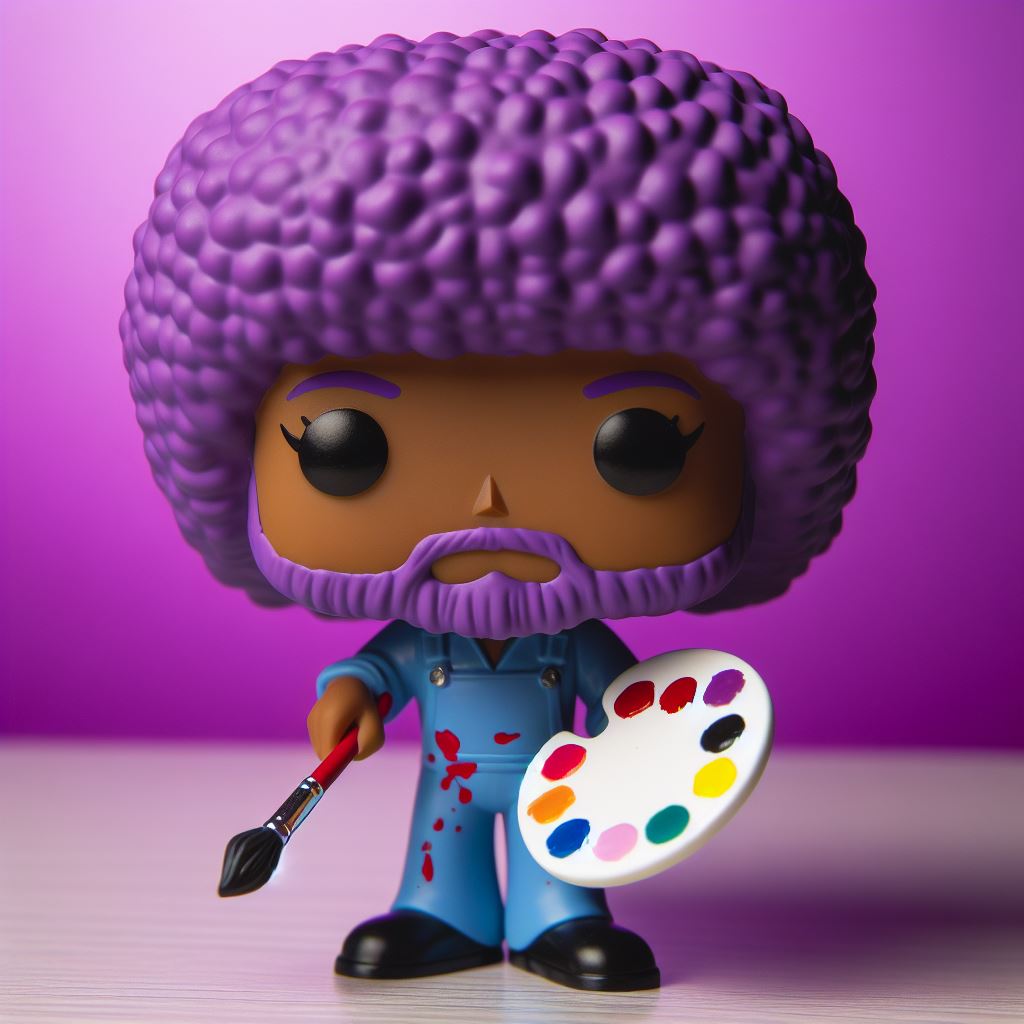
SaaS startups usually know about the term Brand Positioning, but they seldom know what it is, if it’s worth it as it’s currently defined, or how to do it right.
Changing the status quo in SaaS solutions is all about getting your brand positioning right in the eyes of your target audience/ICP’s. Think of it as your secret sauce. It's not just about slapping on a cool personality or having better features. It's about painting a picture of “life after” so vivid and compelling that your market can't help but see you as their go-to solution.
But the phrase “Brand Positioning” is often overwraught with zero next steps - and you need next steps! So here, instead of fluff, in this blog post, we’re going to go through:
Let’s get to it!
In the crowded Bootstrap SaaS landscape, a strong brand positioning strategy can keep you from getting lost in the noise. It also helps you become your target audience’s go-to solution. After all, who better to know what you do and how you can help them?
Think of it as your brand's GPS, guiding customers to understand why you're the ideal choice for them.
But before we jump into how-to’s let’s start with some benchmarks from the masters:
So, here are some examples of excellent positioning in SaaSland and what their audience knows them to be:
How have they achieved it, you ask? By combining their unique features with messaging that empathizes with their target audience. Then letting their brand personality—yes, brands have personalities too—sparkle through everything - they do.
As you can see, they each have distinct personalities. It’s those personalities and a great product that connect with customers on an emotional level. That way, they’ll be more likely to become loyal brand advocates.
Find out how to build your Ideal Customer Profile for Brand Positioning using an ideal customer profile template, an ICP template, or an ideal customer profile template B2B framework.
It’s never too early!
Think that the brands we mentioned above only got that positioning once they were big and had hundreds of employees on payroll? Think again!
These companies established the foundations for their current brand identities waaaaay back when.
Even in their early years, each company laid the groundwork for the personalities they're known for today:
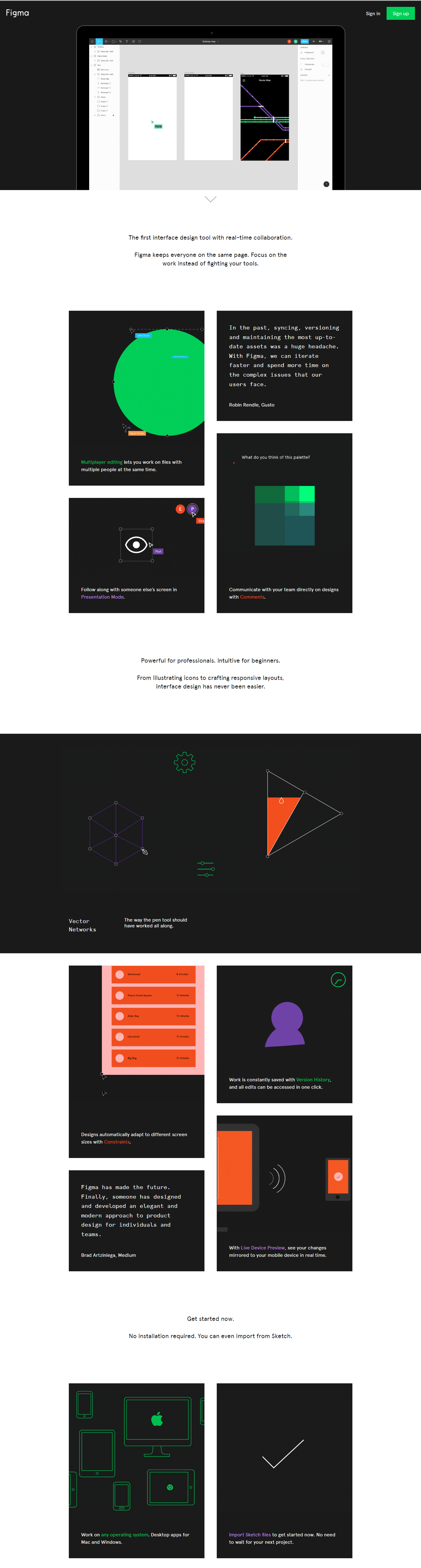


These examples showcase the importance of developing a strong brand identity early on. A clear and consistent message resonates with target audiences and lays the groundwork for future success.
Also notice
It’s alllll tied together to form a cohesive brand positioning!
Great positioning with a distinct personality helped Figma, Discord, and Posthog become the well-regard brands in the space they now are. As any growth marketer, growth agency, or CMO worth their salt will tell you, it shouldn’t be implemented after you get to the top.
When it comes to the ABCs of brand position, you start with the C, instead of A!
We, of course, are referring to starting your positioning by conducting voice of customer research and voice of the customer research by talking to Customers! If you want to know how to collect voice of customer feedback to build a successful SaaS brand, you must start by connecting with your customers on a deeper level.
Let’s give you a step-by-step breakdown on how you can understand and define your company's value to your top customers from their perspective. After all, these are the people you want more of, those who love your product and stick around for the long run.

Okay, but saying you’re having trouble naming exactly who your top customers are?
f you don't know how to build an ideal customer profile, start by looking for those with the:
Worried about which KPIs will work for you? Check out these examples:
You have your people. So, what comes next?

Create an email campaign , asking them to jump on a 15-20 minute call with you. You’ll want to talk about:
Your customers not really email people? here’s some other ways to get hold of them.
Here’s a template for an e-commerce brand with a quirky brand personality:
Subject: You're a [E-commerce Platform Name] Ninja (& We Want to Know Your Secrets!)
Hey [Customer Name],
Hold up! We spotted you crushing it on [E-commerce Platform Name].
But guess what? We're also super curious!
Get on a quick 15-20 minute call where we can chat about:
Click the link below to schedule a call that fits your ninja schedule: [Insert link to scheduling tool]
The [Company Name] Team (Your Biggest Fans)
Put in a redacted screenshot of the email campaign that Abhishek sent for DE to get them to book a call!
While you’re waiting on ayes and calendar bookings, move on to this next bit so you’re ready for those calls!

First, determine who in your org should take these calls.
As a business growth agency, we’d recommend you spread them around Customer Service, Marketing, Product, and Leadership teams. Here’s why.
Customer service teams know the customer inside and out already. They talk with them at their most frustrated and already have the ease and experience of dialoging with them. They will also probably spot
Marketing has (probably) been the one managing the messaging. They know what’s been working to hit those KPI’s and what hasn’t. They also know what implementation will look like once new positioning, and the marketing changes that will come out of it, will require. They also often end up in the middle between what leadership wants, and what customer service says customers need. Speaking directly with customers cuts out the in-between.
Product is fusing what leadership wants and what they hear customers say they need. It goes without saying those are usually two verrrry different lists of requests. What will actually work? - they’re not fortune tellers. But they are building the future of your company. Getting them directly to customers without a middleman at the same time leadership is doing the same thing will help align both of them on the same page for when to do what on the roadmap, what should be included in those features and which customers they’ll be mostly for.
Leadership has a vision for what they want the company to be now and in the future. Where it will sit in the cosmos of SaaS companies…..and how the frick they’re gonna make payroll. Being stuck between future glories and present realities is a lot to bear (i know this well as a founder myself!), and being close to customers often falls by the wayside courtesy of the tyranny of the urgent and ludicrous amounts of self-confidence required to attempt to build something from nothing (as i founder, i can related to this too!).
Having a “round robin” approach to taking these calls will ensure that everyone is talking to the customer directly and can help cut through siloing. Everyone is on the same page with the same goals: understand the customer, build positioning that speaks to and empathizes with them so that everyone makes more money.
Oooh lookie lookie - consensus!
Exhibit A:
Alternatively, if you’re just starting out, your teams are at 110% capacity, or you need the new positioning ASAP, then it’s better to have one person conducting all the calls. Ideally the same person who is going to do the messaging work (copy, marketing changes, product recommendations and leadership updates) and be responsible for it’s implementation.
This is where calling in a specialist like a Customer Experience (CX) Specialist who isn’t bogged down in the way things have been done or preconceived ideas about the customer can be super useful!
Whichever route you plan to go, leave your expectations and assumptions at the door and listen to customers with a fresh mind.
Okay! So, you’ve prepped who on your team is going to take those calls.
Next, let’s look at the how:
Store all customer insight data in one place. Have each person follow a standardized user interview template or user research interview template pattern. That way multiple teams have insight into the customers and a centralized database for the next step!
Now, we’ll be showing you what to ask once you’re in the call:
Put in a redacted screenshot of questions that Abhishek asks on the DE calls
Behold, your quirky call script for e-commerce ninjas with variations for callers from different teams:
Intro (1-2 minutes):
Understanding the Choice (3-5 minutes):
Optimizing the Workflow (5-7 minutes):
Unearthing Hidden Gems (3-5 minutes):
Wrapping Up (2-3 minutes):
Bonus Quirky Questions!
💡 Tip: You really only need a group of 12-30 of those customers. It’s best to have these emails automated, so you always have a trickle of interviews on the calendar to revise the positioning and see what’s hitting in real time. :)

Once you've spoken with your top customers, it's time to dive deep into their perception of your brand.
This involves understanding three critical aspects based on their feedback and interactions with your product:
💡 Phrases to look for would be customer quotes that paint a picture of your brand's role in their success.
Look for statements like:
💡 Key questions to ask:
Remember, the emotional connection often precedes the results. It's what gets them through the door and keeps them engaged until those results manifest.
💡 Uncovering the Aha! moment:
By focusing on these three elements, Bootstrap SaaS founders can craft a brand persona that resonates deeply with their current and potential customers.
And since it is all about creating a loyal community that grows organically, you should turn the data and insights from your top customers into actionable strategies. Use them to reinforce your brand's mission, highlight its strengths, and amplify the emotional connection with your audience.
Don’t forget to check out: Top 3 Bootstrap Marketing Strategies for Startups
💡 If you’re not the founder and are jumping in to get this positioning sorted, then you can skip this section.
If you, as the founder, are ****customer service, marketing and the leadership team, ****then you should think through where who you are interweaves with who the company is.
If the brand positioning is completely different to who you are, it’s going to clash at some point and mess with its trustworthiness! I mean, can you imagine if Elon Musk was the founder of Discord? That would NOT match its warm and inviting brand positioning! That would not match.
So, how do you incorporate your founder’s personality into the brand’s?
First, identify aspects of their personal story, values, or mission that would resonate with customers:
Next, integrate those elements into your brand narrative. It makes your company more relatable and trustworthy. Remember, customers are more likely to engage with a brand that feels authentic and aligned with their own values or experiences.
Confused? Here’s an exercise you can use to find the part of the founder that ties into your brand’s voice:
Now plug the responses here:
💡 When I think about Brand Name, I want Brand Name to sound _personality trait 1, 2, 3, because I love talking about facet of the company with group of people.
7. Let Your Brand Personality Sparkle

Whether your brand is quirky, serious, innovative, or compassionate, let that personality shine in a way that highlights and reinforces the value you provide to your customers.
In doing so, you create a brand that's valuable in the practical sense and deeply resonant on an emotional front. This combination is powerful, making your brand not just a choice among many but a community that your customers feel proud to be a part of.
Here’s how to create a personality that takes you from positioned to personali-tied: AKA making the customer’s problems related to and seen.
In other words, you’re taking the personality that customers already ascribe to the brand. Then you’re pairing it with clear words on how to make that practical in day-to-day operations. Because positioning without placement has no purpose.
More on that in a sec!

4. Who Can I Copy from, AKA, Brand Positioning Case Studies

You already know three, i.e., Figma, Discord, and Posthog who have nailed their brand positioning.
Use these as your real-world success tales to draw out the lessons that aspiring Bootstrap SaaS companies like yours can apply, such as:
Find out how to decide which marketing channels you should choose here!
We’ve seen how the brands remain true to their unique brand personalities. Now, let’s check out the lessons that all of them share—and you can cheat off of:
Check out: Beyond Corporate Buzzwords: Crafting Marketing Messages That Resonate With Your Audience

To bring your brand to life, those joyous feelings of your top customers have to come out everywhere—marketing materials, the copy on your website, and the way you speak on demos!
And while such coherence helps reinforce your brand's positioning and makes your messaging stick, it’s crucial that these strategies are not siloed within the marketing department.
For instance, Discord ensures that its community-focused approach is reflected in its customer service—quick, personalized, and engaging support—and is consistent across all customer touchpoints.
Or, Figma with its ridiculously interactive demos, allowing potential customers to experience the collaborative features firsthand.
And even Posthog’s blogs written in a clear and concise language that breaks down complex data analytics concepts.
So, what should you do to make the personality un-ignoreable no matter where a customer comes into contact with it?
How about:
Instead of trying to tack on personality at the end of the content creation process, include it from the very beginning. For instance, when you decide themes and topics for your content creation, ask yourself, How would this topic be presented with [brand personality traits] to highlight [how this product can change their work life]?
Then create a reference doc of the answers so when you’re back on the content you’re not reinventing the writing wheel.
When you do your KW research to decide what content to write on, always ask What is the best format to present the answer in a way that’s immediately useable?
These kinds of creative and fundamental marketing strategies for startups will also bring multiple teams together (dev, CS, marketing, and product). The message will become more real, making you indispensable to your customers at every stage in the journey.
Some examples include:
Prioritize features that bring increased simplicity and functionality to your ICP’s lives. The easiest way to do this is building the features they ask for and fixing the frustrations they have.
As you branch into new ICPs and dive deeper into your existing ICPs, there will always be features in need of being built, better ways to showcase new use cases, or the product tweaks to make that work. Pay attention to those and add them to your JTBD list!
Finally, no matter how shiny the latest, greatest advance is in tech (AI, cough), don’t bake it into the product. Not unless you can clearly explain how it will help your ICP do their job better. Otherwise it’s just for show without showing the benefit of using the product. This helps you stay focused on not creep into feature bloat (burp).
6. But What if my Brand Outgrows the Positioning?
As a growth strategy agency, we know that your SaaS brand will continue to grow and evolve. But we also know that maintaining the integrity of your positioning and personality will become increasingly crucial.
So, you’ll have to embed, scale, and future-proof your brand’s approach within every department and process to stay true to your unique positioning.
Let’s see how:
Start by placing your final positioning document in a central location within your team space. This ensures easy access for everyone and serves as a constant reminder of:
Modify all Standard Operating Procedures (SOPs) for writing tasks to include specific tasks that reinforce your brand personality. This could range from the:
After all, you’d expect different customer support from Reddit and Figma, right?.
.png)
Encourage each team to contribute examples of how the brand personality influences their work:
And once you have those examples, add them to your living doc!
Also Read: How to create a landing page that converts
Setup or better integrate customer data with sentiment and feedback, allowing for consistent checks on how your brand message resonates over time.
Create a system to collate the data from customer calls with their feedback. This can be as:
This feedback loop is crucial for understanding if your brand persona remains relevant and engaging as you scale.
Incorporate INM here with a short story of how it stayed true to its roots.
A well-defined brand positioning strategy is the cornerstone of a thriving SaaS brand. By integrating positioning and personality through the use of the fundamental marketing strategies for startups we have mentioned above, you can carve out a unique space in the market and build a community of loyal customers.
Ready to craft a beloved brand? Let INM help!
You should reassess brand positioning annually or with significant market shifts. Adapting to changing customer needs, tech advancements, and competitors ensures relevance. Regular evaluations will boost agility, keeping your brand aligned with evolving audience expectations.
Effective brand positioning is one of the fundamental marketing strategies for startups that contributes to customer retention. Clear communication of unique value and consistent delivery builds trust and loyalty. A resonant brand that meets customer needs forms long-term relationships, reduces churn, and enhances customer lifetime value.
Employee engagement reinforces a SaaS brand's positioning strategy. Employees who understand and believe in brand values deliver aligned experiences. Internal alignment ensures every interaction reflects the brand's personality and value, strengthening its position in the market.
Lorem ipsum dolor sit amet, consectetur adipiscing elit, sed do eiusmod tempor incididunt ut labore et dolore magna aliqua. Ut enim ad minim veniam, quis nostrud exercitation ullamco laboris nisi ut aliquip ex ea commodo consequat. Duis aute irure dolor in reprehenderit in voluptate velit esse cillum dolore eu fugiat nulla pariatur.
Block quote
Ordered list
Unordered list
Bold text
Emphasis
Superscript
Subscript
Lorem ipsum dolor sit amet, consectetur adipiscing elit, sed do eiusmod tempor incididunt ut labore et dolore magna aliqua. Ut enim ad minim veniam, quis nostrud exercitation ullamco laboris nisi ut aliquip ex ea commodo consequat. Duis aute irure dolor in reprehenderit in voluptate velit esse cillum dolore eu fugiat nulla pariatur.
Block quote
Ordered list
Unordered list
Bold text
Emphasis
Superscript
Subscript
Lorem ipsum dolor sit amet, consectetur adipiscing elit, sed do eiusmod tempor incididunt ut labore et dolore magna aliqua. Ut enim ad minim veniam, quis nostrud exercitation ullamco laboris nisi ut aliquip ex ea commodo consequat. Duis aute irure dolor in reprehenderit in voluptate velit esse cillum dolore eu fugiat nulla pariatur.
Block quote
Ordered list
Unordered list
Bold text
Emphasis
Superscript
Subscript
